 Pin it
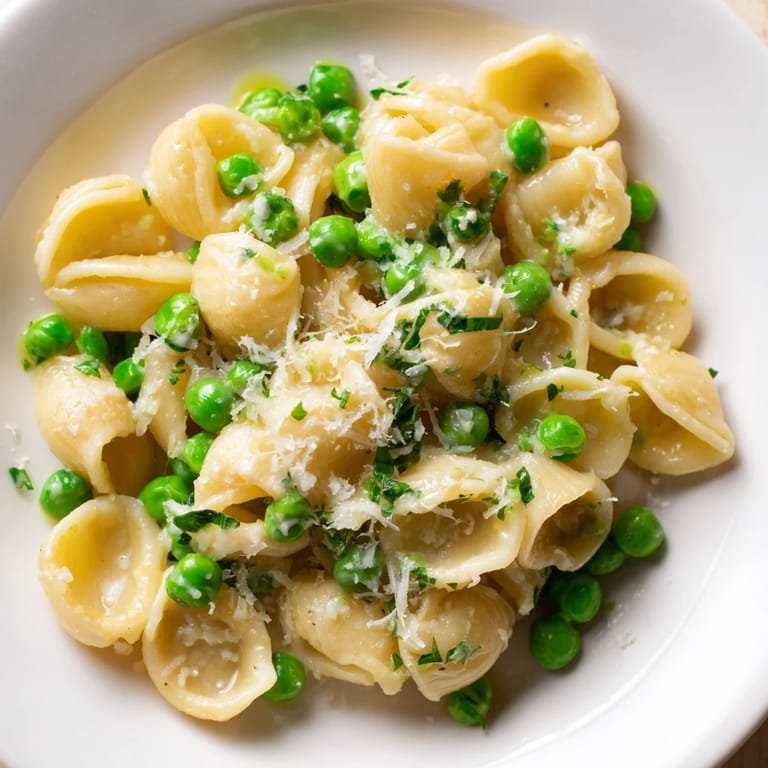
 There's something about butter and garlic that stops me mid-thought—I was standing in my kitchen on a random Tuesday, staring at a box of ditalini and frozen peas, when the smell of garlic hitting hot butter suddenly made everything feel worth cooking. This pasta became my answer to those nights when I needed something warm and real but had exactly 25 minutes before hunger turned into grumpiness. It's the kind of dish that doesn't ask for much but gives you comfort in return.
I made this for my neighbor last spring when she mentioned offhandedly that her kids would eat literally nothing but pasta, and I watched her face when she tasted how the butter brought everything together—she called me the next day asking for the recipe, which is basically the highest compliment a home cook can get.
Ingredients
- Ditalini pasta (300 g): Those small tubes trap the sauce inside them, which is the whole magic of this dish—don't sub for long pasta or you'll miss the point.
- Water and salt (1.5 liters and 1 tablespoon): Pasta water is liquid gold here; keep that reserved cup because it helps everything come together at the end.
- Unsalted butter (4 tablespoons): This is where the soul lives, so use real butter, the kind that smells like butter when it hits the pan.
- Garlic cloves (4 large, minced): The moment between fragrant and burnt is about 30 seconds, so stay close and pay attention.
- Frozen peas (1 cup): Don't thaw them—they keep their bright color and little pop of sweetness better when they go straight into the hot butter.
- Black pepper and red pepper flakes (1/4 teaspoon each): Black pepper is non-negotiable; the red flakes are there if you like a gentle heat.
- Parmesan cheese (1/3 cup grated): Freshly grated tastes like an entirely different ingredient compared to the pre-grated kind.
- Fresh parsley and lemon zest (optional): These feel like finishing touches that turn a weeknight dinner into something you remember.
Tired of Takeout? 🥡
Get 10 meals you can make faster than delivery arrives. Seriously.
One email. No spam. Unsubscribe anytime.
Instructions
- Get the water going:
- Fill a large pot with water and let it come to a rolling boil while you mince your garlic and do the small prep work. Salt it properly—it should taste like the sea, which means the pasta itself carries flavor instead of tasting naked.
- Cook the pasta:
- Stir the ditalini in at a gentle pace so it doesn't clump, and cook until it's just shy of fully tender. Scoop out that half cup of starchy water before draining everything—you'll thank yourself in a minute.
- Make the garlic butter moment:
- Melt butter in a large skillet over medium heat and watch it closely as you add garlic. The goal is fragrant and warm, not brown and bitter, which happens faster than you'd think.
- Warm the peas:
- Toss in those frozen peas directly and let them cook for a few minutes until they're heated through and bright. They'll stay firmer this way than if you'd thawed them.
- Bring it all together:
- Add the drained pasta to the skillet along with the pepper and red pepper flakes, then toss everything until the pasta is coated. If it looks a little dry, splash in some of that reserved pasta water—you want the sauce to move with the pasta, not cling desperately to it.
- Finish and taste:
- Pull the pan off the heat, add Parmesan, parsley, and lemon zest if you're using them, and toss until the cheese melts into everything. Taste it, adjust salt and pepper, and serve right away while it's still warm.
 Pin it
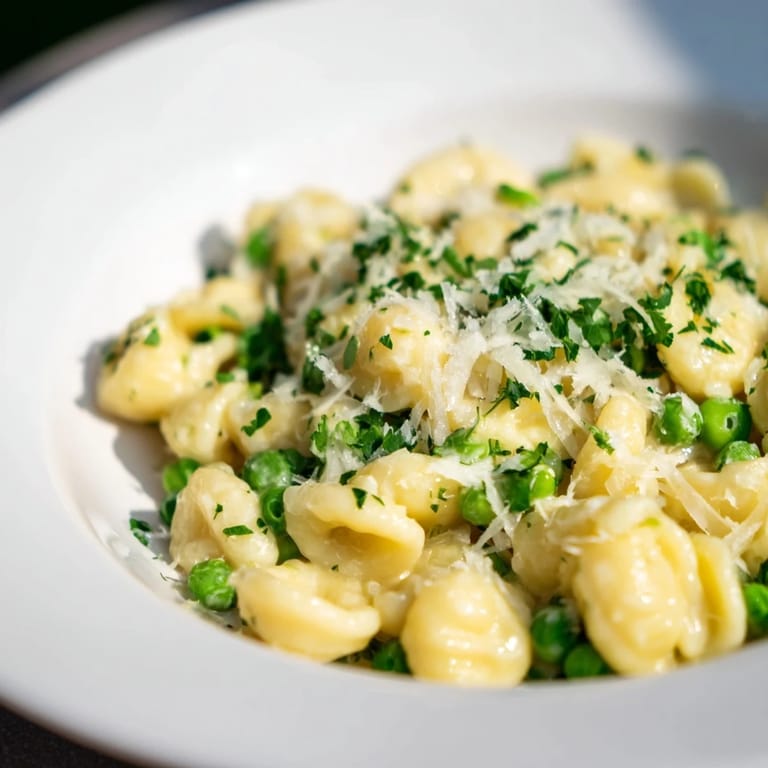
 There's a quiet moment when you add the pasta to the butter and peas, and the whole thing comes alive—that's when I know I made the right choice cooking it. This dish has shown up on nights when I needed something I could make with my eyes closed, and somehow it still tastes like care.
Why This Pasta Works for Everyone
Ditalini's shape means it cradles sauce in a way that longer pasta just can't match, and when you combine that with butter that's been infused with garlic, you get a texture that feels almost creamy without any actual cream involved. It's comfort food that doesn't need an excuse—it just needs to exist on your plate. The peas are there for brightness and a gentle sweetness that balances the richness of the butter, and somehow this humble combination has convinced multiple people that I know what I'm doing in the kitchen.
Making It Your Own
The beauty of this recipe is how willing it is to bend without breaking—I've added crispy bacon because bacon makes almost everything better, stirred in shredded rotisserie chicken for nights when I needed more protein, and even used it as a base for leftover roasted vegetables that needed rescuing. You can swap the ditalini for elbow pasta, tiny shells, or even orzo if that's what you have, and the dish still tastes like itself. Some people finish it with a crack of fresh black pepper and nothing else, while others add so much lemon zest it becomes almost bright—both versions are right.
Kitchen Notes and Small Victories
This is a dish I've made enough times that I can sense when the garlic is perfectly fragrant without even looking—it's the small confidence that comes from repetition and attention. The most important part is not letting the garlic brown, which happens when you're distracted or tired or moving too fast, and that's a lesson I learned by making brown garlic taste unpleasant several times before I finally paid attention. Fresh Parmesan makes a real difference here because it melts into the warm pasta instead of sitting on top like an afterthought, and if you're the type to buy the pre-grated kind, I won't judge you, but you might be surprised by what a microplane and a block of cheese can do.
- Keep that reserved pasta water within arm's reach so you're not scrambling for it at the last second.
- Taste the dish before serving—sometimes it needs a pinch more salt, sometimes lemon zest that wasn't in the original plan.
- Serve immediately because pasta waits for no one, and cold garlic butter pasta is not the memory you want to make.
 Pin it
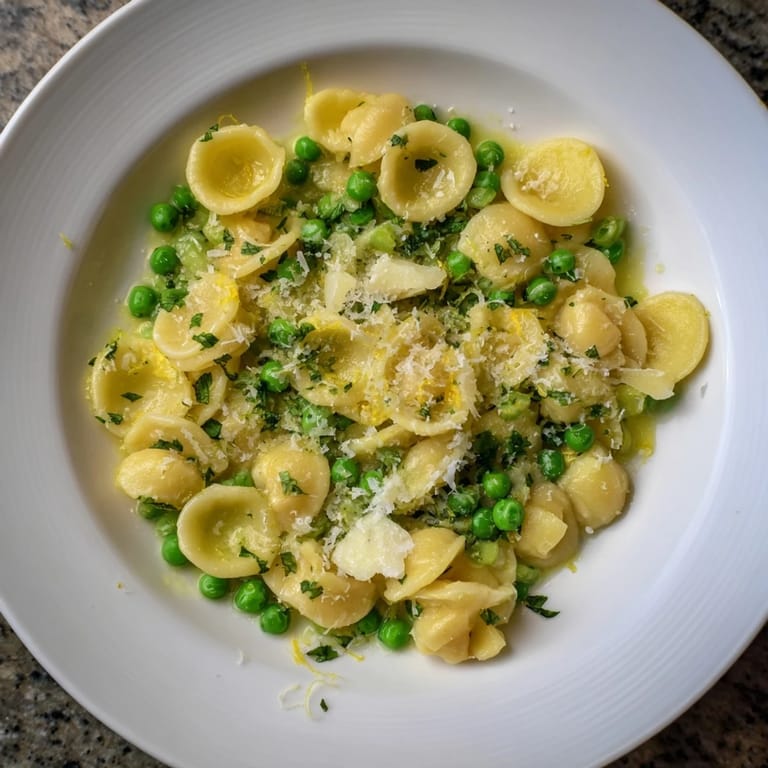
 This pasta reminds me that the best meals aren't the ones that demand hours in the kitchen—they're the ones made with real ingredients and genuine attention, even if it's just 25 minutes worth. Make it tonight, make it next week, make it whenever you need something that tastes like someone cared.
Recipe Questions & Answers
- → What type of pasta works best for this dish?
Small pasta shapes like ditalini, elbow macaroni, or orzo are ideal as they hold the sauce well and cook quickly.
- → Can I use fresh peas instead of frozen?
Yes, fresh peas can be used; blanch them briefly before adding to maintain their bright color and texture.
- → How can I add protein to this dish?
Stir in cooked chicken, ham, or crispy bacon after cooking to boost protein without altering flavors significantly.
- → Is there a way to make this dish vegan-friendly?
Use plant-based butter and replace Parmesan with nutritional yeast or omit cheese for a vegan option.
- → What does the lemon zest add to the flavor?
Lemon zest brightens the overall dish, adding a fresh, citrusy note that balances the richness of the butter and garlic.