 Pin it
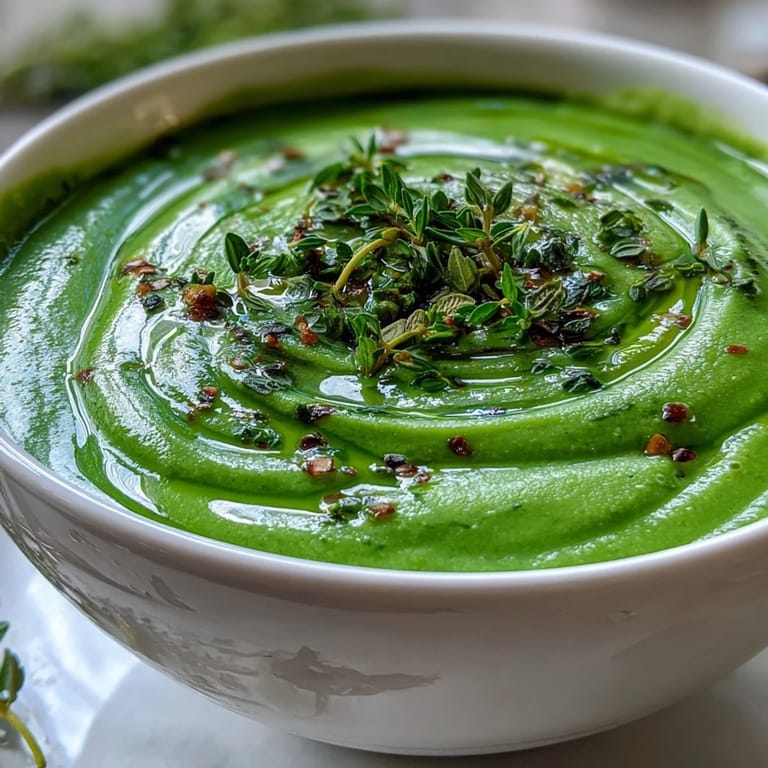
 My kitchen was unusually quiet that Tuesday morning when I decided to blend five different vegetables into one bowl, chasing some vague notion that green things must be good for fighting off the sniffles going around. What started as practical turned into something I couldn't stop making, especially when friends started asking why their energy seemed different after a single spoonful. This soup became my answer to winter restlessness and the kind of thing I'd make without thinking, the way other people brew coffee.
I made this soup for my sister's book club once, doubling the batch because I underestimated how much people would want seconds. Watching four women sit with their bowls, spoons clinking softly while they debated the ending of some novel, I realized this wasn't just fuel, it was permission to slow down. That's when I knew the recipe had crossed from my kitchen into something bigger.
Ingredients
- Olive oil: Just one tablespoon to start, enough to coat the pot and coax out the flavors of onion and garlic without heaviness.
- Onion and garlic: These two lay the flavor foundation, and mincing the garlic fine means it dissolves seamlessly into the broth rather than lurking in chunks.
- Broccoli: Cut the florets roughly the same size so they soften evenly, and don't discard the tender stems, which add body to the blend.
- Asparagus: Trimmed and chopped into bite sized pieces before cooking, the stalks become tender and sweet rather than woody.
- Baby spinach and zucchini: The spinach goes in last so it wilts gently, keeping its bright color, while zucchini adds subtle sweetness and helps achieve that silky texture.
- Raw cashews: Soaking them in hot water for twenty minutes softens them enough to blend into pure cream, an essential step I learned by accidentally skipping it and ending up with gritty soup.
- Vegetable broth: Low sodium is crucial because you'll taste every bit of salt, and the broth becomes the entire liquid base of the soup.
- Lemon juice: Stirred in at the end, it wakes up all the green flavors and keeps the soup from tasting flat or heavy.
- Sea salt, black pepper, nutmeg, and thyme: Nutmeg in particular adds a whisper of warmth that makes people ask what's in here, while thyme is optional but recommended if you want an herbal note.
Tired of Takeout? 🥡
Get 10 meals you can make faster than delivery arrives. Seriously.
One email. No spam. Unsubscribe anytime.
Instructions
- Heat the foundation:
- Warm olive oil in a large pot over medium heat, then add your chopped onion and minced garlic. You'll know they're ready when the onion turns translucent and the air smells sweet and slightly toasted, usually three to four minutes.
- Build the layers:
- Stir in the broccoli, asparagus, zucchini, and all your seasonings, mixing until every piece glistens with oil. Let them cook together for four to five minutes, during which the vegetables will begin to soften and release their own aromas into the pot.
- Simmer gently:
- Pour in the vegetable broth, raise the heat just enough to bring everything to a gentle boil, then lower it again and cover the pot. Simmer for twelve to fifteen minutes, tasting the vegetables occasionally until they're tender enough to break easily with a wooden spoon.
- Finish with greens and cream:
- Add your spinach and those drained soaked cashews, stirring so the spinach wilts and distributes evenly. Give it just two more minutes so the cashews warm through and begin to soften further into the broth.
- Blend to silk:
- This is the moment that transforms everything into soup. Remove from heat, and working in batches, carefully transfer the soup to a blender, filling it only halfway each time to avoid splatters and burned fingers.
- Season and serve:
- Once blended smooth and completely creamy, return the soup to the pot and stir in lemon juice. Taste it thoughtfully, adjusting salt and pepper to your preference, then ladle into bowls while the steam still rises.
 Pin it
 My favorite version of this happened on a rainy evening when I had almost nothing in the pantry but these vegetables and a half-empty bottle of vegetable broth. I made it anyway, and something about the limitation made it taste more honest, like the soup knew exactly what it was supposed to be. That's when I stopped tinkering and started trusting the recipe.
Flexibility Without Losing the Spirit
This recipe thrives on adaptation because the core is the blending, not the vegetables themselves. Swap asparagus for green beans, trade broccoli for cauliflower, add a handful of parsley or basil if you have it. The cashew base anchors everything, so the soup stays creamy and satisfying no matter what greens you choose.
Making It Even Heartier
There's a version I make when I want something closer to a stew, where I skip the blending entirely and just let the vegetables soften into chunks in the broth. It takes the same ingredients and thirty minutes, but becomes completely different, more rustic and less refined. Sometimes I'll blend only half the pot and leave the other half chunky for texture, which feels like having two soups at once.
Storing and Reheating Without Losing Magic
This soup keeps beautifully in the refrigerator for four days, and reheats gently on the stove over medium heat with a splash of water if it thickens. I've also frozen it successfully in portions, though frozen soup never tastes quite as bright, so I always add fresh lemon juice when thawing to wake it back up.
- A crusty piece of bread is essential for soaking up every last bit of creaminess.
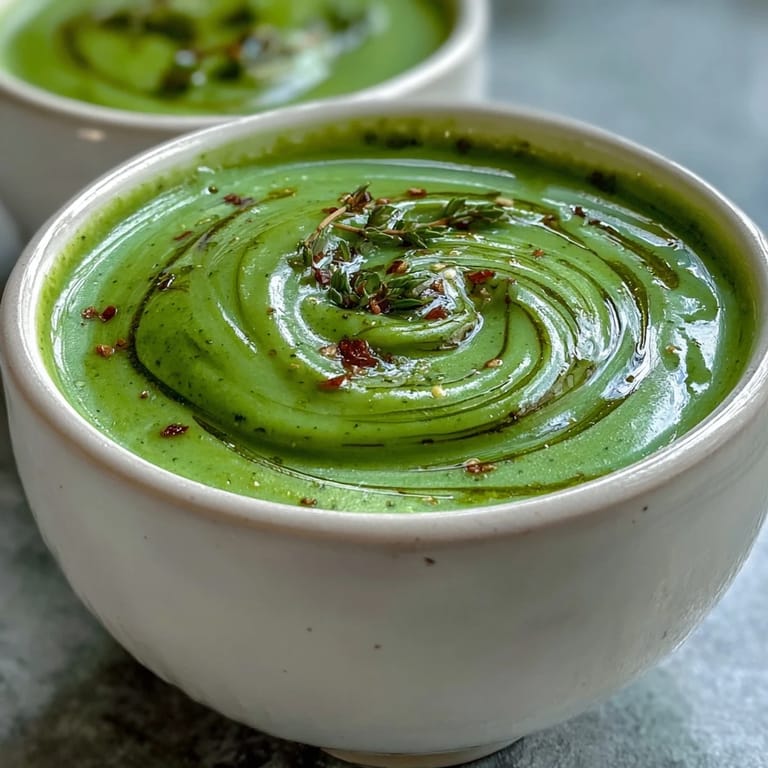
- Drizzle with good olive oil and a scatter of fresh herbs just before serving to remind people they're eating vegetables.
- Make double batches because it disappears faster than you'd predict.
 Pin it
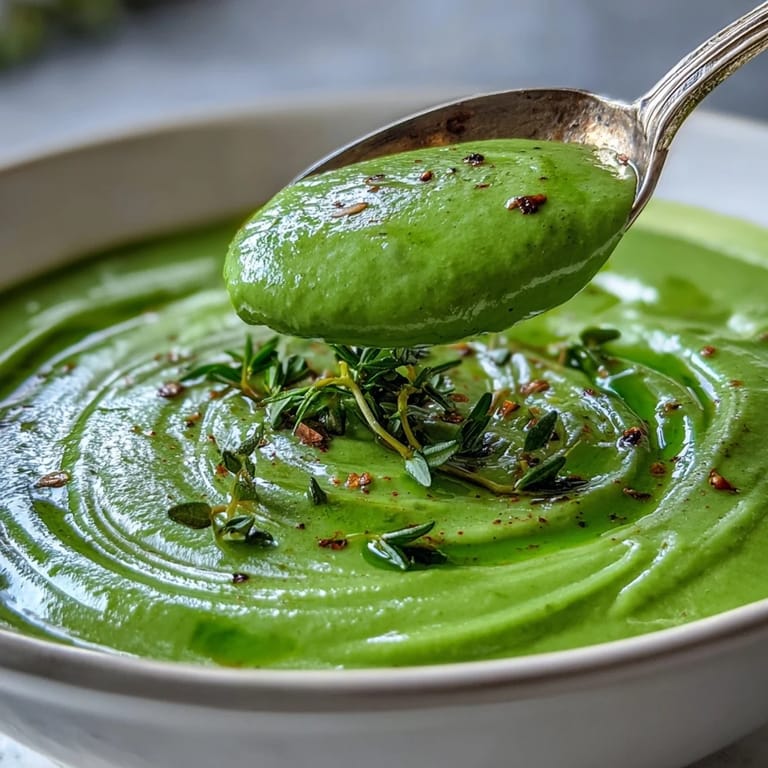
 This soup reminds me why cooking matters, turning simple vegetables into something that nourishes both body and mood. Make it when you need it, and trust that it will do exactly what you need it to do.
Recipe Questions & Answers
- → Can I make this soup nut-free?
Yes, simply replace the cashews with soaked sunflower seeds. They provide similar creaminess without the nuts, making it safe for those with tree nut allergies.
- → How long does this soup keep in the refrigerator?
This soup stores well in an airtight container for up to five days. The flavors actually develop and deepen after a day or two, making it excellent for meal prep.
- → Can I freeze this soup?
Absolutely. Let the soup cool completely, then transfer to freezer-safe containers. It freezes well for up to three months. Thaw overnight in the refrigerator before reheating.
- → What can I use instead of cashews for creaminess?
Sunflower seeds work well as a nut-free alternative. You can also use coconut milk for creaminess, though it will add a subtle coconut flavor to the finished soup.
- → Do I need to soak the cashews?
Soaking cashews in hot water for 20 minutes softens them significantly, ensuring they blend completely smooth. Skipping this step may result in a slightly grainy texture.
- → Can I use frozen vegetables?
Frozen broccoli and asparagus work fine in this soup. There's no need to thaw them first—just add them directly to the pot when instructed. Frozen spinach can also be used, though fresh gives the best color.